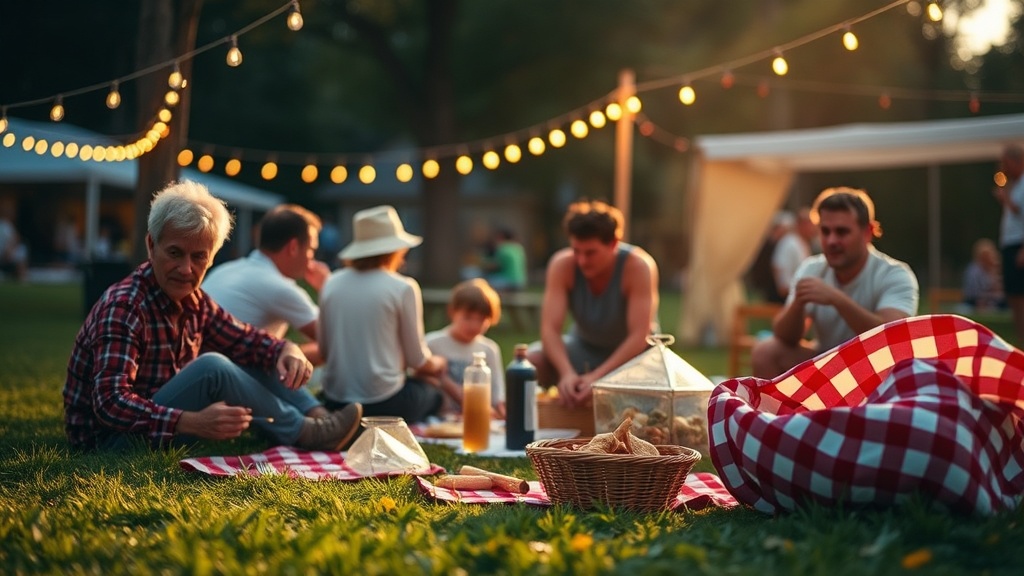
Ways to Build a Great Local Picnic in Hearst

This guide provides practical steps for planning, packing, and enjoying a successful outdoor picnic in the Hearst area. You'll find specific advice on local food sourcing, weather-appropriate gear, and the best ways to enjoy our Northern Ontario scenery without the typical hiccups of outdoor dining.
What are the best picnic spots near Hearst?
The best picnic spots near Hearst depend on whether you want shade, water views, or easy accessibility for kids. For a classic park experience, the local municipal parks offer well-maintained picnic tables and easy access to facilities. If you're looking for something a bit more rugged, heading toward the nearby provincial parks or trailheads provides a more secluded atmosphere.
Many locals prefer the areas near the water during the summer months. There's something about the way the light hits the landscape in the late afternoon that makes a simple sandwich feel like a gourmet meal. Just remember that if you're heading into the more wooded areas, you'll want to keep an eye on the terrain—uneven ground is a real pain when you're trying to set up a blanket.
If you're planning a larger gathering, check the availability of picnic shelters or pavilions. These are great for avoiding sudden showers, which, let's be honest, can happen even in the middle of July. It's always a smart move to have a backup plan for the weather.
How much food should you pack for a group?
You should pack approximately 1.5 servings of food per person plus a 20% buffer to ensure nobody leaves hungry. This calculation accounts for varying appetites and the likelihood that people will snack more than they eat a formal meal while outdoors. It’s better to have an extra bag of chips than to run out of sustenance halfway through the afternoon.
When you're shopping for a group, don't just grab random items. Think about portability and how long things stay fresh in the heat. Here is a quick breakdown of how to categorize your food items:
| Category | Ideal Items | Storage Tip |
|---|---|---|
| Main Course | Wraps, pasta salad, or hearty sandwiches | Keep in airtight containers |
| Snacks | Pretzels, fruit skewers, or cheese cubes | Pack in individual portions |
| Hydration | Water, iced tea, or lemonade | Freeze half the water bottles ahead of time |
| Sweet Treat | Cookies or brownies | Avoid melting chocolate items |
I've found that wraps are much easier to manage than traditional sandwiches. They don't get as soggy and they're much easier to eat with one hand while you're lounging on a blanket. Plus, they're less messy if you're sitting on a cloth surface.
For those who want to go the extra mile, consider picking up some high-quality local ingredients. A fresh loaf of bread from a local bakery makes a massive difference. It's those small details that turn a basic lunch into an actual event.
What gear do I need for a Northern Ontario picnic?
You need a combination of weather-resistant seating, temperature-controlled storage, and insect protection. Because our weather can shift from bright sun to a sudden chill in minutes, your gear needs to be versatile. Don't forget that "outdoor" in Northern Ontario often means "buggy" once the sun starts to dip.
A high-quality cooler is non-negotiable. If you're using a standard soft-sided cooler, make sure it's a brand like a Coleman or similar reliable brand that can actually hold ice for several hours. If your food gets warm, the whole experience is ruined.
Here is my essential gear checklist:
- The Foundation: A waterproof-backed picnic blanket. Even if the grass looks dry, the moisture from the ground can seep through a standard sheet in minutes.
- The Seating: Lightweight folding chairs if you aren't a "blanket person."
- The Protection: High-quality insect repellent. If you haven't dealt with the local black flies or mosquitoes, you'll learn quickly that they aren't friendly guests.
- The Cleanup: A compact trash bag and wet wipes. Leaving a mess behind is a cardinal sin in our local parks.
- The Comfort: A light windbreaker or a fleece. Even in summer, the shade can feel quite cool.
If you're worried about the temperature, remember that a good thermal flask is a lifesaver. It can keep your coffee hot or your iced tea cold for hours. It's one of those items you'll constantly wish you had if you forget it. (I know I certainly do.)
For those who are particularly sensitive to the cold, you might want to look at layering. It's a bit like keeping your home cozy during the winter—it's all about the right layers. A light fleece can make the difference between a pleasant afternoon and a chilly, uncomfortable one.
How can I avoid bugs and bad weather?
You can minimize bug encounters by using citronella candles and wearing long sleeves, and you can avoid bad weather by checking the Environment Canada weather reports right before you leave. Preparation is your best defense against the elements.
The trick with bugs is to be proactive. If you're setting up near water or heavy brush, the bugs will be more prevalent. I usually recommend bringing a small, portable fan if you're sitting still; the moving air makes it much harder for mosquitoes to land. It sounds a bit overkill, but it works.
When it comes to the weather, don't just look at the high temperature. Look at the wind speed and the chance of precipitation. If the forecast shows a high chance of wind, a lightweight, easy-to-carry umbrella might be worth the extra space in your car. Wind can make a picnic quite difficult if you're trying to keep napkins and lightweight plates from flying away.
One thing to note: the weather in Northern Ontario is notoriously fickle. You might start the day in full sun and end it with a light drizzle. Always pack a lightweight, packable jacket. It takes up almost no room in a bag but provides a huge sense of security when the temperature drops unexpectedly.
If you're planning this for a large group, it's worth noting that most local parks have clear signage regarding weather-related closures. It's always better to check the local municipal website or social media pages for any updates on park conditions before you head out.
Finally, don't forget the importance of a good cleanup routine. I always carry a small bottle of hand sanitizer and some heavy-duty wet wipes. Eating with your hands is part of the fun, but you'll want to feel clean once you're back in the car. It's a small step that makes the transition from "outdoorsy" back to "normal life" much smoother.
Steps
- 1
Choose your local ingredients
- 2
Pack smart containers
- 3
Pick a scenic spot
- 4
Bring comfort items