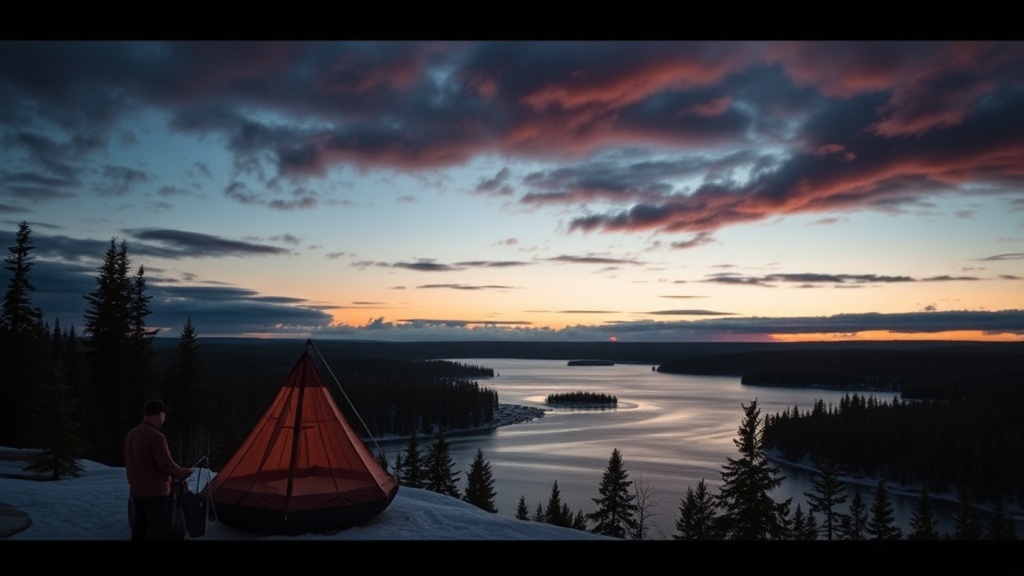
The One Simple Habit That Makes Living in Northern Ontario Feel Effortless

Quick Tip
Schedule your week around short, consistent outdoor moments instead of treating them as optional.
There’s a difference between surviving Northern Ontario and actually enjoying it. If you’ve lived in Hearst long enough, you’ve seen both types of people: the ones constantly fighting the weather, the pace, the isolation—and the ones who seem completely at ease here.
The difference isn’t money, luck, or even how long they’ve been here. It comes down to one habit that quietly changes everything.
The Habit: Plan Your Week Around the Outdoors (Not Around Your To-Do List)

Most people treat the outdoors as optional. Something you’ll do if the weather is good, if you have time, if you feel like it.
That mindset doesn’t work in a place like Hearst.
The people who thrive here flip that logic. They anchor their week around being outside—then fit everything else around it.
It sounds simple, but it changes how you experience every season, especially winter.
Why This Works (Especially Here)

In cities, the outdoors is a bonus. In Northern Ontario, it’s the main event. If you ignore it, you end up feeling boxed in fast.
Long winters, early sunsets, and fewer indoor distractions can make days blur together. That’s where people start saying things like, “There’s nothing to do here.”
But that’s not actually true. The issue is orientation.
When your schedule is built around errands, screens, and waiting for weekends, the environment feels like an obstacle. When your schedule is built around stepping outside—even briefly—the same environment becomes the reason you stay.
What This Looks Like in Real Life

This isn’t about becoming an outdoors expert or spending hours in the bush every day.
It’s about consistency.
- Monday evening: 20-minute walk after dinner, even if it’s cold
- Wednesday: Quick loop on a trail or a short snowshoe session
- Saturday: A longer outing—skidoo ride, hike, or lake visit
- Sunday: Slow outdoor coffee moment on your porch or balcony
Nothing here is extreme. That’s the point. You’re not waiting for perfect conditions—you’re building rhythm.
The Psychological Shift You Don’t Expect

Once you start doing this, something subtle happens.
You stop negotiating with the weather.
Instead of asking, “Is it too cold?” you start asking, “What does today’s version of outside look like?”
That shift removes friction. You’re no longer stuck indoors waiting for motivation—you already decided that outside is part of your day.
Over time, this builds a sense of control and calm that’s hard to get any other way.
Why Most People Don’t Do This (And Stay Stuck)
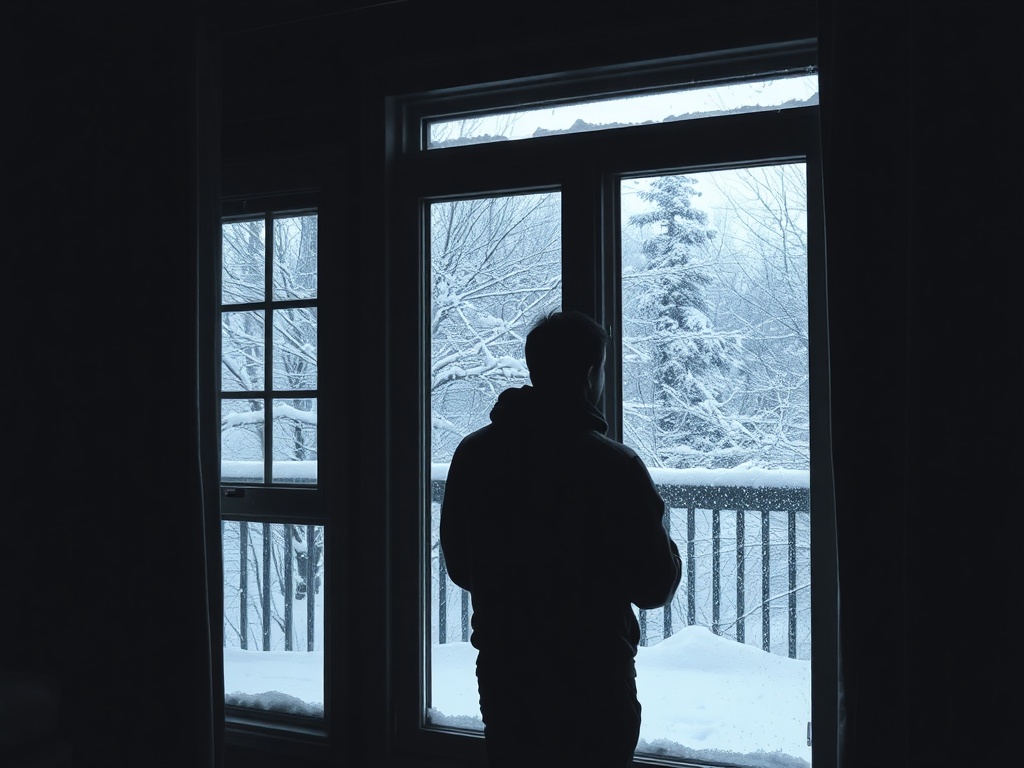
There are three common traps:
- Waiting for perfect weather — which rarely comes
- Overcomplicating it — thinking it requires gear, time, or planning
- Treating it like a bonus — instead of a baseline
In a place like Hearst, those habits quietly drain your experience of living here.
You don’t notice it immediately—but over weeks and months, it adds up to frustration, boredom, and that feeling of being “stuck in winter.”
How to Start (Without Overthinking It)

If you want this to stick, keep it almost ridiculously simple:
- Pick three fixed moments in your week for going outside
- Make them short enough that you can’t make excuses (10–20 minutes counts)
- Attach them to something you already do (after dinner, before work, weekend coffee)
The goal isn’t intensity. It’s repetition.
Once it becomes automatic, you’ll naturally start extending those moments without forcing it.
The Local Advantage You’re Probably Underusing

People travel hours—and spend real money—to experience what’s already outside your door here.
Quiet trails. Frozen lakes. Clean air. Space to think.
When you treat those things as normal, you stop seeing their value. When you build your routine around them, you start noticing just how rare they are.
What Changes After a Few Weeks
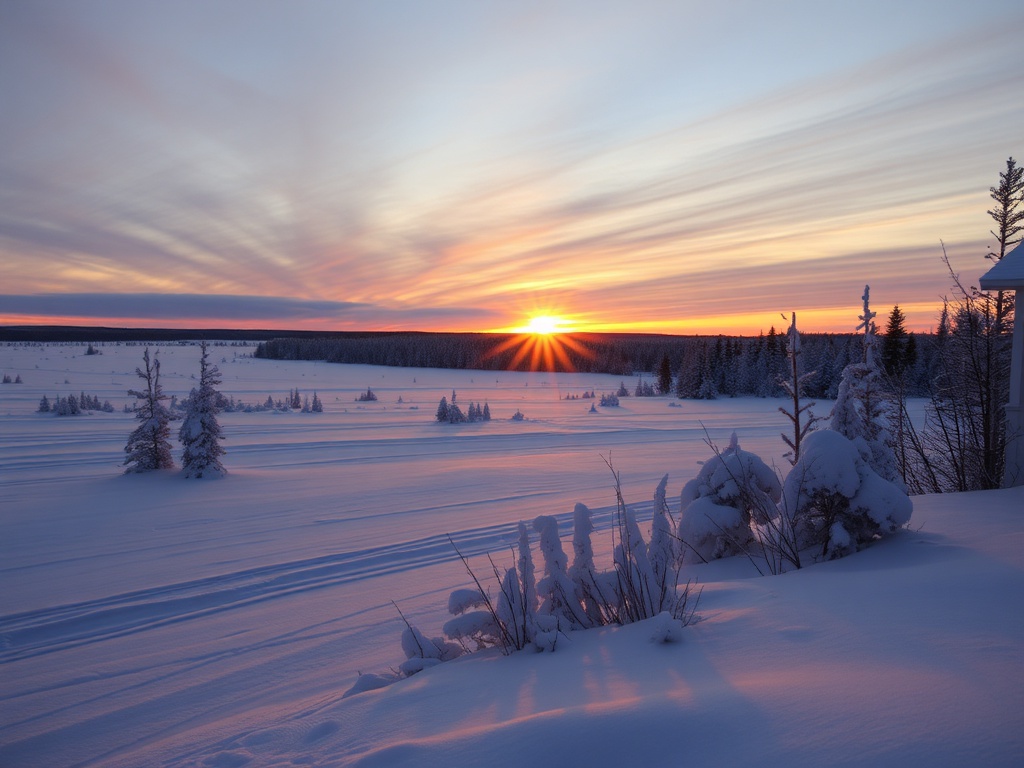
Give this habit two to three weeks and watch what shifts:
- Your energy stabilizes (even in winter)
- Your mood becomes less dependent on the weather
- Your days feel more distinct instead of blending together
- You start looking forward to small moments again
It’s not dramatic. It’s better than that—it’s reliable.
The Bottom Line
Living in Hearst isn’t about fighting the environment or escaping it whenever you can.
It’s about aligning with it just enough that it starts working in your favor.
One small habit—treating the outdoors as a non-negotiable part of your week—does more for your day-to-day life than any big change people usually chase.
Try it for a couple of weeks. You’ll feel the difference before you can fully explain it.